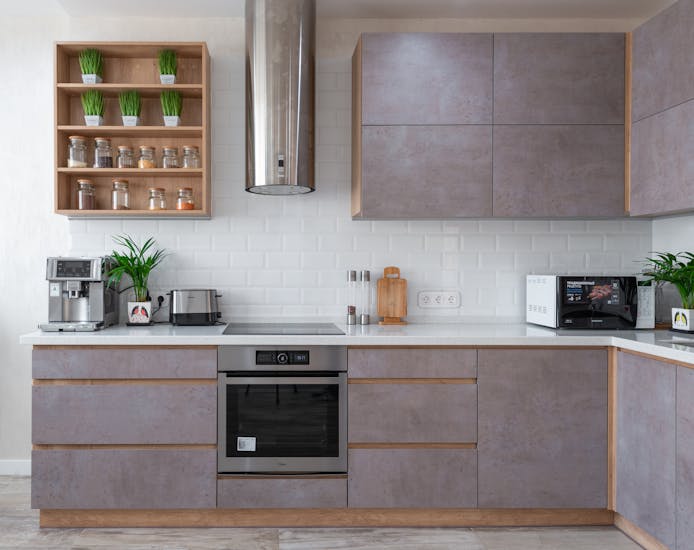
There’s something frustrating about walking into a friend’s kitchen and thinking they must have spent a fortune, only to find out their renovation cost half what you’d guess. Meanwhile, other kitchens clearly had money thrown at them but still look fine. Not spectacular, just fine.
The difference rarely comes down to budget alone. It’s about understanding which elements create visual impact and which ones just drain the bank account without adding much to the overall look. Some of the most impressive kitchens mix a few carefully chosen premium features with smart budget decisions everywhere else.
The Power of a Few Strategic Splurges
Here’s where people often get it backwards. Spreading money evenly across every element of a kitchen usually creates a space that’s uniformly mediocre. But concentrating budget on two or three highly visible features while keeping everything else simple? That creates the illusion of luxury throughout.
Benchtops are the obvious example. A beautiful stone surface immediately elevates the entire space because it’s right there at eye level, catches the light, and gets touched constantly. The difference between laminate and quality stone is noticeable to anyone who walks in. But the difference between mid-range stone and ultra-premium stone? Most guests won’t pick it.
The same principle applies to tapware. A really good tap costs maybe $400-600 more than a basic one, but it’s a focal point that gets used dozens of times daily. That premium feel stays with you. On the other hand, spending an extra few thousand on soft-close drawer mechanisms? Nice for you, but guests will never know.
Colour Choices That Photograph Like Money
White and light neutral kitchens photograph well, but they’re not what creates that expensive look anymore. The kitchens that stop people in their tracks right now tend to use deeper, more saturated colours in unexpected ways.
A rich navy or forest green on lower cabinets with lighter uppers creates depth and sophistication without requiring premium materials. Paint costs the same regardless of colour. The visual impact comes from the boldness of the choice, not the price of execution.
Brass and black metal finishes read as more considered and current than standard chrome or brushed nickel, even when the actual hardware costs about the same. It’s the decision-making that looks expensive, not necessarily the products themselves.
Why Lighting Makes or Breaks the Whole Look
This is where a lot of renovations fall flat. People spend huge amounts on cabinets and appliances, then stick with basic downlights and maybe an off-the-shelf pendant. The kitchen functions fine but never quite looks finished.
Multiple light sources at different heights create the layered, intentional feel that characterizes high-end spaces. Under-cabinet lighting costs relatively little to install during a renovation but makes benchtops glow and adds usable task lighting. A statement pendant or two over an island or dining area provides a focal point that defines the space.
The lighting doesn’t need to be expensive designer pieces. It needs to be deliberately chosen and properly positioned. A $300 pendant that suits the space looks better than a $1,200 one that doesn’t quite fit the scale or style.
The Layout Decisions That Cost Nothing But Look Like Everything
Open shelving on one wall instead of upper cabinets creates an airier, more custom feel without reducing storage much if planned well. The cost saving on cabinets often pays for better benchtops or splashback materials.
Extending benchtops to create a breakfast bar or adding a waterfall edge on an island costs more in materials but the labour increase is minimal. These details make spaces feel designed rather than just fitted out. When working with experienced specialists like those handling kitchen renovations Perth homeowners often find these layout tweaks add significant visual value without blowing the budget.
Floor-to-ceiling cabinets in at least one section make ceilings feel higher and storage look more built-in and custom. The extra cabinet boxes don’t cost that much more than stopping at standard height, but the visual difference is substantial.
Materials That Punch Above Their Price Point
Subway tiles are everywhere for a reason. They’re cheap, but when installed with care and grouted in a contrasting colour, they look clean and intentional rather than budget. The installation quality matters more than the tile cost.
Vinyl planks have improved dramatically. The good ones are nearly indistinguishable from real timber for a fraction of the price and handle kitchen wear better. No one’s inspecting your floor closely enough to spot the difference once furniture and rugs are in place.
Cabinet doors matter more than cabinet boxes. Many budget-friendly kitchens use standard carcasses but invest in better door fronts and hardware. The visible parts look premium while the hidden structure stays cost-effective.
What Actually Doesn’t Show Up
Soft-close mechanisms are lovely to use but invisible to visitors. Premium internal drawer systems organize beautifully but no one sees them. Top-tier appliances often look identical to mid-range ones with the logos covered.
This isn’t saying these features have no value. They improve daily function and might matter enormously to whoever cooks in the space. But they don’t contribute to that “wow, this looks expensive” factor that some kitchens achieve on surprisingly modest budgets.
The expensive look comes from the elements people see and touch immediately. Everything else can be practical and budget-conscious without diminishing the overall impression.
The Details That Signal Quality
Perfectly aligned cabinet doors and consistent gaps between elements show careful installation. This costs nothing in materials but requires skilled tradespeople who take their time. Rushed work shows up in ways that undermine even premium products.
Minimal visible handles or push-to-open mechanisms create cleaner lines. The hardware itself might cost less than traditional handles, but the streamlined look reads as more contemporary and considered.
Adequate power points positioned thoughtfully rather than obviously tacked on wherever convenient. Planning where outlets go before finalizing the layout keeps them functional but unobtrusive.
Making the Most of What’s Already There
Keeping the existing layout saves thousands in plumbing and electrical relocation. That money can go toward better finishes instead. Unless the current layout truly doesn’t work, moving sinks and stoves often doesn’t improve function enough to justify the cost.
Refacing or repainting existing cabinets in good structural condition puts budget toward more visible upgrades. New doors and hardware can transform the look completely while keeping the bones of the kitchen intact.
The Final Word on Looking Expensive
The kitchens that look like they cost more than they did share a common thread: intentional choices about where to spend and where to save. They prioritize the visible and tactile elements while keeping functional but hidden components sensibly priced. The overall effect comes from good design decisions and quality installation rather than premium everything.
Most people overestimate how much impressive kitchens cost because they assume everything must be high-end. Reality is messier and more strategic. A few smart splurges mixed with confident budget choices creates spaces that look cohesive and considered without requiring unlimited funds.