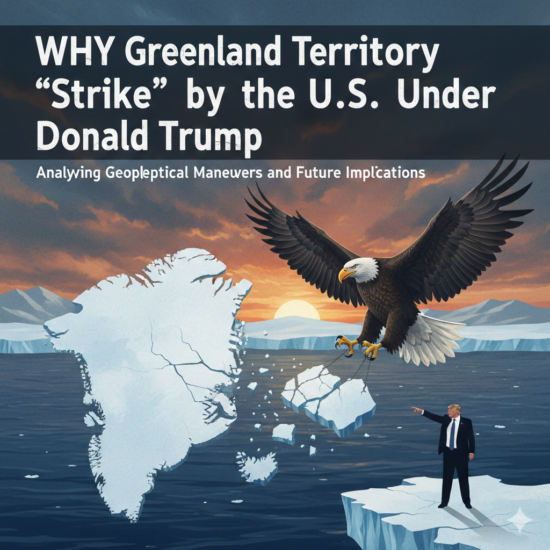
In early 2026, U.S. President Donald Trump reignited global controversy by publicly stating that the United States intends to acquire Greenland, a large autonomous territory of Denmark in the Arctic. Trump argued the move was vital for U.S. national security to counteract China and Russia in the Arctic. He suggested the U.S. would pursue Greenland “the easy way or the hard way,” including options like negotiated purchase, increased pressure, and even implied military means. Greenlanders and Danish leaders have firmly rejected U.S. acquisition, stressing sovereignty, self-determination, and international law. Denmark warned that any forced attempt would jeopardize NATO alliances and trigger diplomatic consequences.
📍 Introduction: What’s Happening with Greenland and the U.S.?
In January 2026, the issue of Greenland’s status surged in global headlines after statements by U.S. President Donald Trump indicating that the United States will pursue control of the territory. Trump said the U.S. needs Greenland for strategic advantage—whether through negotiation or stronger measures.
This development has sparked intense international debate, diplomatic pushback from Europe, concerns about sovereignty, and questions about the limits of U.S. power. It also brings forward historical precedents and future geopolitical realities in the Arctic.
🌍 What is Greenland?
- Location & Status: Greenland is the world’s largest island, located between the Arctic and Atlantic Oceans. It has autonomous government but remains part of the Kingdom of Denmark.
- Population: ~57,000 residents with distinct Indigenous Inuit culture.
- Strategic Importance: Situated on key Arctic sea lanes with rich natural resources, including rare earth minerals, oil, and gas.
🧭 Why Trump Is Focused on Greenland
1. National Security & Geopolitics
Trump asserted that Greenland is essential for U.S. defense strategy, especially against Russia and China’s Arctic expansion. He claimed that U.S. control would prevent rivals from gaining influence in this key region.
2. Economic & Resource Interests
Greenland potentially holds vast deposits of rare earth minerals and other strategic resources that are critical for modern technology and military supply chains.
3. Historic Ambitions
Trump first proposed buying Greenland in 2019, drawing international ridicule when Denmark turned down the idea. The topic resurfaced more forcefully in his second administration.
🧨 Trump’s “Easy or Hard Way” Comment
Trump told reporters the U.S. would attempt to gain Greenland “the easy way or the hard way … whether they like it or not,” implying all options—including coercive ones—were on the table.
What this means in practice:
- Negotiated purchase (unlikely, per Danish & Greenlandic rejection).
- Offering payments to residents (discussed by advisors in past proposals).
- Increased political pressure or coercion (as implied by Trump’s language).
- Unspecified military options (raised but widely condemned).
🗣️ Reactions from Greenland & Denmark
Greenland
Political leaders and citizens have unanimously rejected U.S. acquisition:
- “We do not want to be Americans… we want to be Greenlanders,” said leaders from five major political parties.
- Greenland’s Parliament expedited sessions to respond to external pressure.
Denmark
- Denmark’s PM stated Greenland is “not for sale” and that U.S. annexation would jeopardize NATO.
- Danish officials warned that a military takeover could end the alliance.
🧠 International Implications
1. Impact on NATO
An attempt by the U.S. to forcibly acquire territory from a NATO ally could severely damage or dissolve the alliance.
2. Arctic Geopolitics
Greenland’s strategic location makes it a focal point in the emerging Arctic competition among global powers, especially as ice melt increases accessibility.
3. Self-Determination & International Law
Under international law, sovereignty and the consent of people matter. Greenland exercises extensive autonomy and any transfer of sovereignty would legally require consent from both Danish and Greenlandic governments.
🔎 Myth vs. Reality
Myth: The U.S. can simply buy or take Greenland.
Reality: Greenland’s autonomy, Danish sovereignty, and international law prevent unilateral action without formal consent, and the majority of Greenlanders oppose becoming part of the U.S.
✍️ Conclusion
The situation around Greenland and the United States under Donald Trump is not a simple “territory strike” but a complex geopolitical crisis involving national security, resource competition, alliance politics, and questions of sovereignty. While rhetoric of force draws headlines, actual military action remains highly unlikely due to political, legal, and international consequences.
📌 FAQ’s on Greenland and Trump
Trump has stated the U.S. intends to acquire Greenland for national security reasons, even suggesting both negotiated and stronger options, including implied force.
Greenland is strategically located for defense, has access to critical Arctic routes, and holds valuable natural resources.
No. Denmark and Greenland have repeatedly rejected offers or suggestions of sale or takeover.
References
- Reuters – Greenland’s parliament to discuss US threats after Trump remarks
- AP News – Greenland’s party leaders reject Trump’s push for US control
- Al Jazeera – US says military ‘always an option’ in Greenland
- Times of India – Trump says US will take Greenland “easy way or hard way”
- TIME – Greenland leaders respond to Trump’s statements